
I’m not writing as much on the blog as I hoped I was, but I’m trying to change that and start catching up on some things. With the weather turning to spring the insects are starting to come out in full force. This post is a catch of the first real collecting outings of the season.
Day 1:
The first day of collecting (6-April) turned into a relatively good day. I got out maybe a little to early and it was still quite cool and very little insect activity.
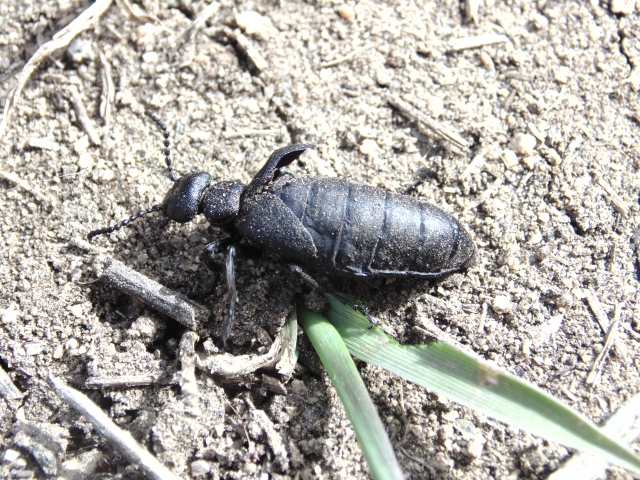
This female oil beetle (Meloe sp.) was the first insect I saw. As you can see the right elytra was a little wonky so I decided to let her go on her way.
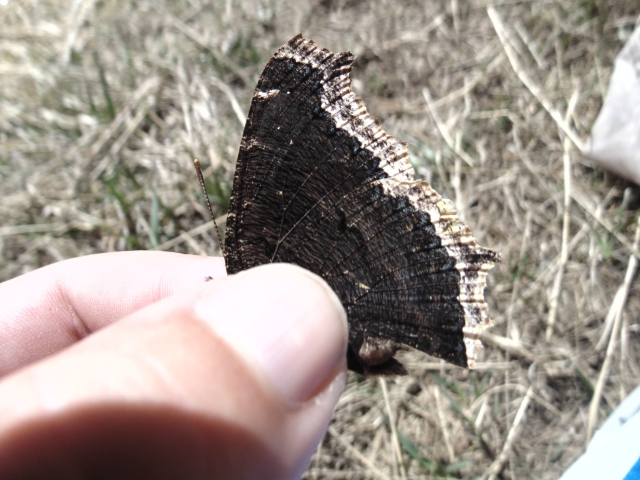
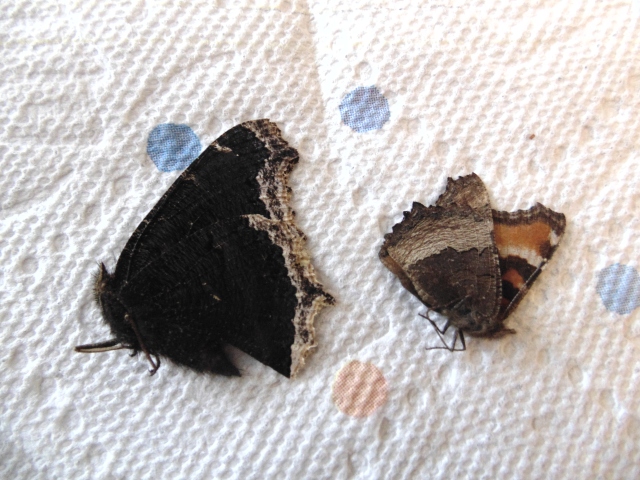
It finally started to warm up and the insect activity finally begun to pick up….after about 2 hours in the field already. It was shortly after this that I finally saw the first butterflies of the day. They were staying close to the stream flying back and forth. It took a few tries but I finally netted a mourning cloak (Nymphalis antiopa) as it basked on a rock sticking out of the creek.
I decided to keep it for the collection since it was the first butterfly I collected for the season and also for some strange reason I didn’t have any specimens from this location, but now I do.
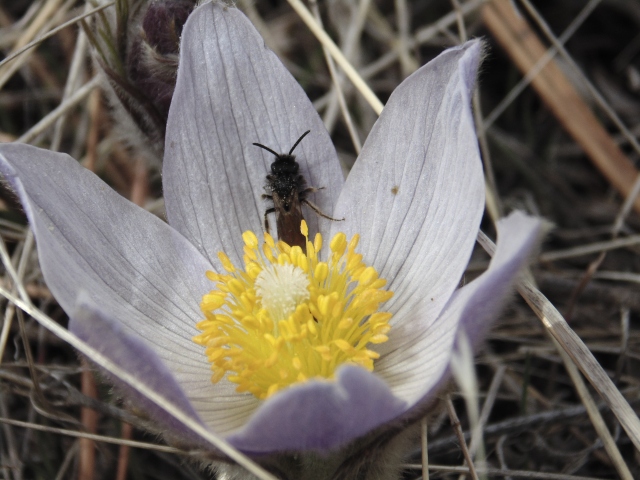
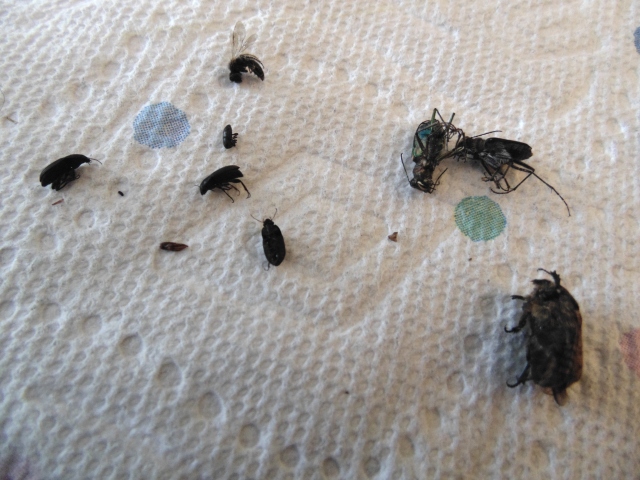
I was pretty happy to see some of the first wild flowers blooming because with them blooming I had a chance some early spring visitors. About half a dozen of these Andrena sp. were taking full advantage of the flowers and were quite busy bees. I also decided to collect one so I could get a proper ID plus I’m sure I didn’t have this species yet in the collection.
What made the day end on an even higher note were the numerous tiger beetles out and about. I was able to collecting some of both species that were present that day.
Cicindela purperea audubonii
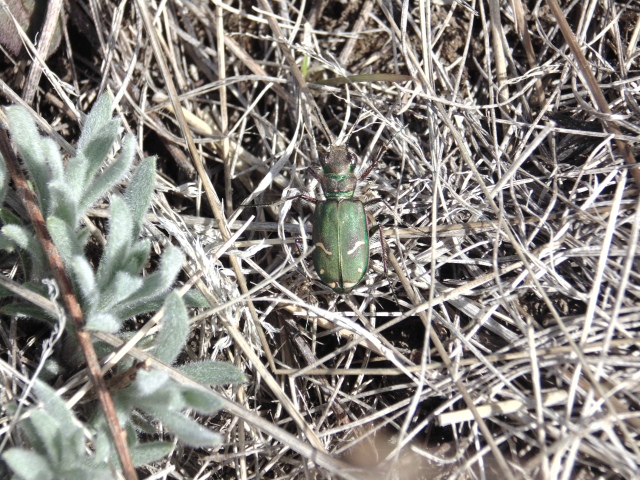
Cicindela limbalis
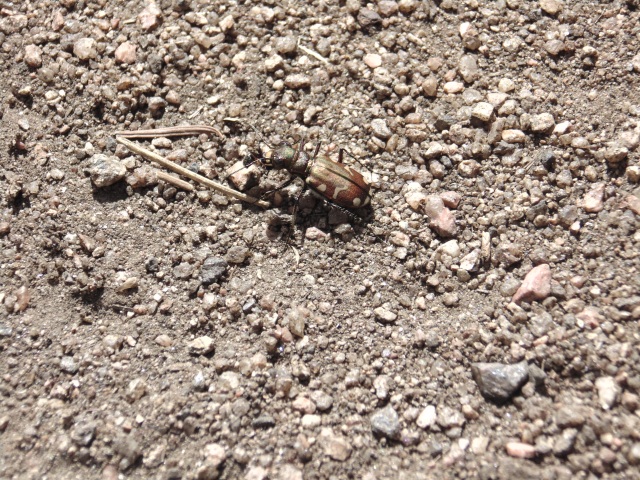
All in all I was extremely pleased with how the day ended up and was happy with the insects I was able to collect. Below is a little overview of what I collected.
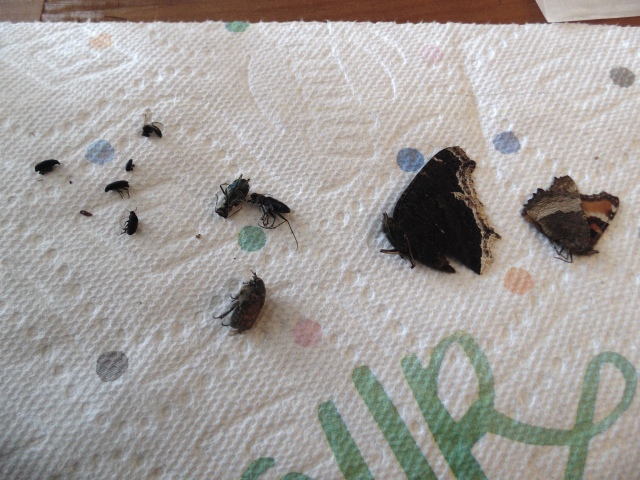
Day 2:
I went back to the same general area on the second day (7-April) but just a few miles down the road. The main collecting I did that day was ants and was able to collect a decent amount. Of course other insects were out as well and I definitely collected some of them as well. I didn’t take as many photos though (focusing hard on the ants) but I made sure to get a couple.
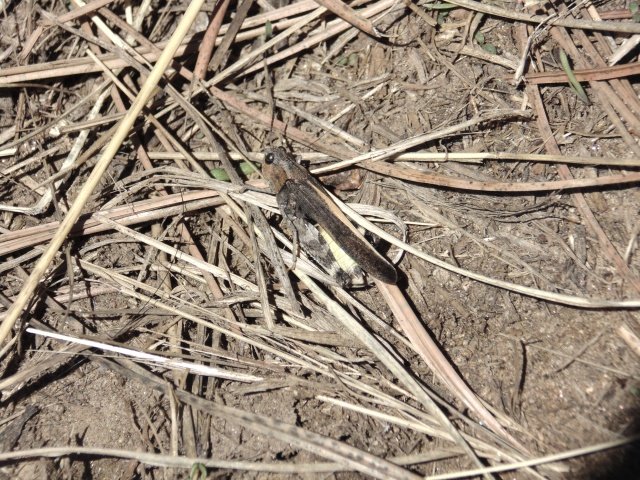
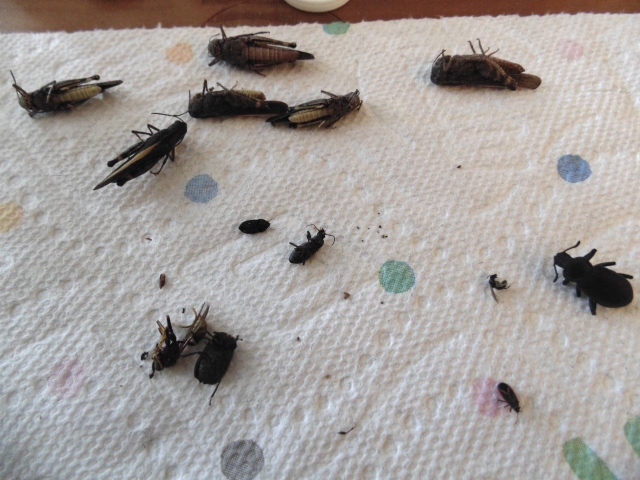
The most common things flying were the grasshoppers, specifically Arphia conspersa and I decided to collect a few and also managed to get a picture of one. All the individuals at this location were yellow-winged.
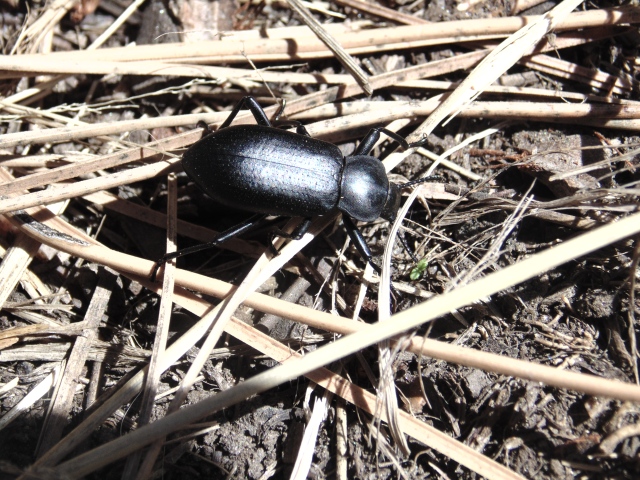
One of my favorite finds of the day happened while I was on my way out. I decided to flip over a log cause well…you never know. I was greeted by this beautiful Eleodes sp. I had a hard time photographing it cause it wouldn’t stop moving around.
I was also able to collect a couple Polygonia gracilis (hoary comma) which were flying next to the creek. I also collected a few other beetles, a couple Hymenopterans and a single cool looking Hemipteran of which I’m not sure on the genus or species.
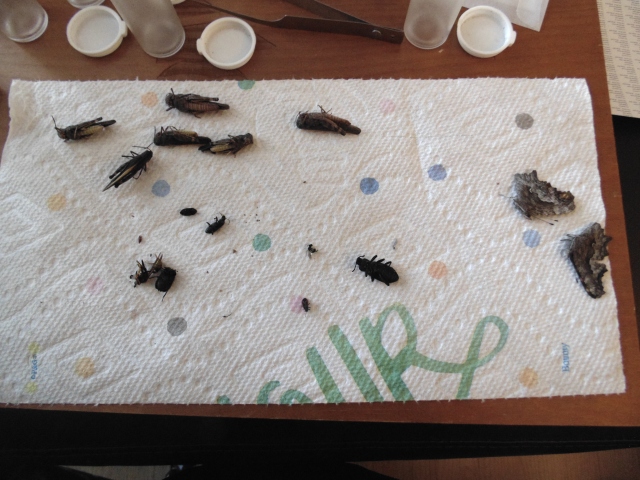
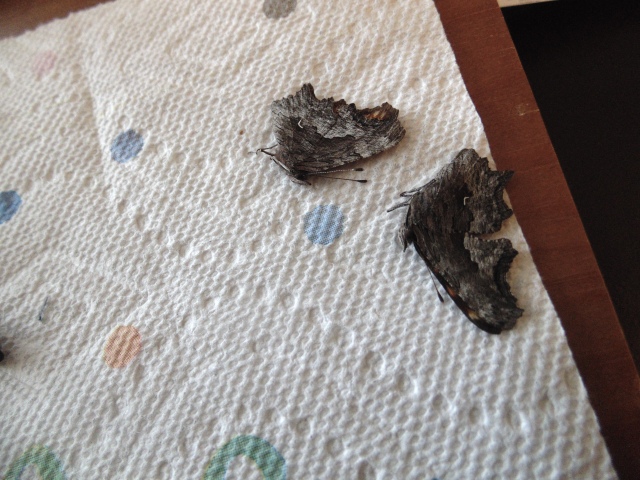
These are all now pinned and dried and in the storage box waiting for their labels, which I won’t do until next winter when the collecting season is over. It was a good start and I have a feeling it’s going to be a good collecting year.



 E.M.O.P.I.C