Grasshoppers for a Friend

I have a Facebook friend down in Texas that collects grasshoppers and doesn’t have any material from Colorado. I told him I could start collecting specimens for him and so we set it up where I would collect Colorado stuff for him and he would collect south Texas material for me (I have some south Texas material in my collection but overall is severely lacking).

I collect some grasshoppers last week for him and this weekend I put them in their envelopes so I can store them until I bring them down to Texas later this year.

IMG_20190504_172133430

This batch has two species. I got 3 Eritettix simplex and 6 Arphia conspersa that show 3 different wing color forms.

I decided to individually store each grasshopper.

IMG_20190504_174228450

I then put them in a large envelope with the data and now they are all set. I’ll keep adding specimens throughout the summer and hopefully get a good selection of species for him.

IMG_20190504_174944675

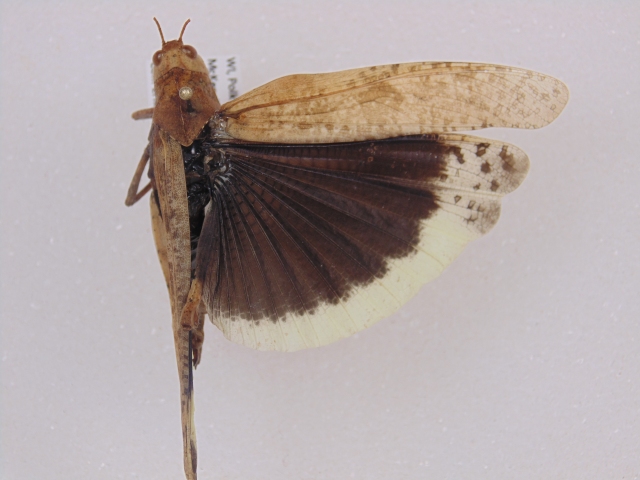
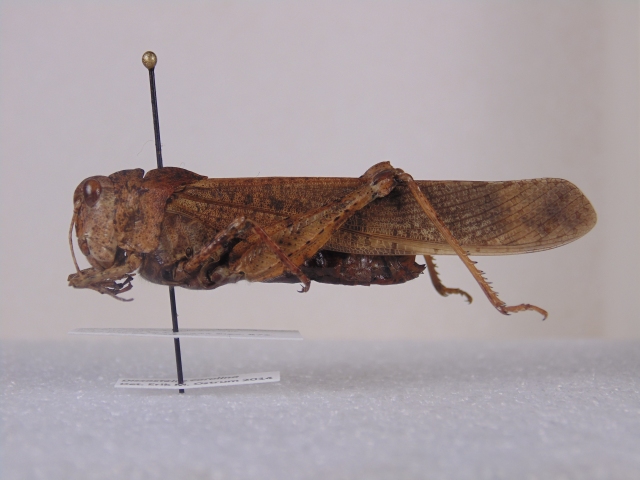
Dissosteira carolina (Linnaeus)

This is a large common species found throughout much of the lower 48 states. This grasshopper always got my attention since I was a little kid every time I startled one. The black and yellow hind-wing is a startling thing to see when one is not expecting. What I also like about this species is the variety of colors individuals can be. I’ve seen colors from tan to brown to brick red.

dsc00379

This is species is also quick to spit out a brown liquid in defense that can and will stain your fingers. One of the reasons this species is so widespread and common is because it can become quite abundant in disturbed areas and dirt roads, especially where there is bare ground which helps the grasshopper blend in.

dsc00377

As you can see from this spread specimen, the black takes up much of the hind-wing. For the more entomology inclined, when in flight it can look quite similar to Nymphalis antiopa (Mourning Cloak butterfly), which also sports the black and yellow coloration on the wings.

Currently in the collection I have a large number of individuals from a number of different states. Both spread and non-spread specimens are present as well as multiple different colors.

Other online sources:

https://bugguide.net/node/view/14827

http://www.uwyo.edu/entomology/grasshoppers/dica.htm